Pet Supply Company
Company
Shop By Category
T&Cs
Shop Online
  • Free standard delivery from S$75 after discounts
  • Singapore dollar prices
  • Product options shown before you add to cart
  • Tracking is emailed after dispatch

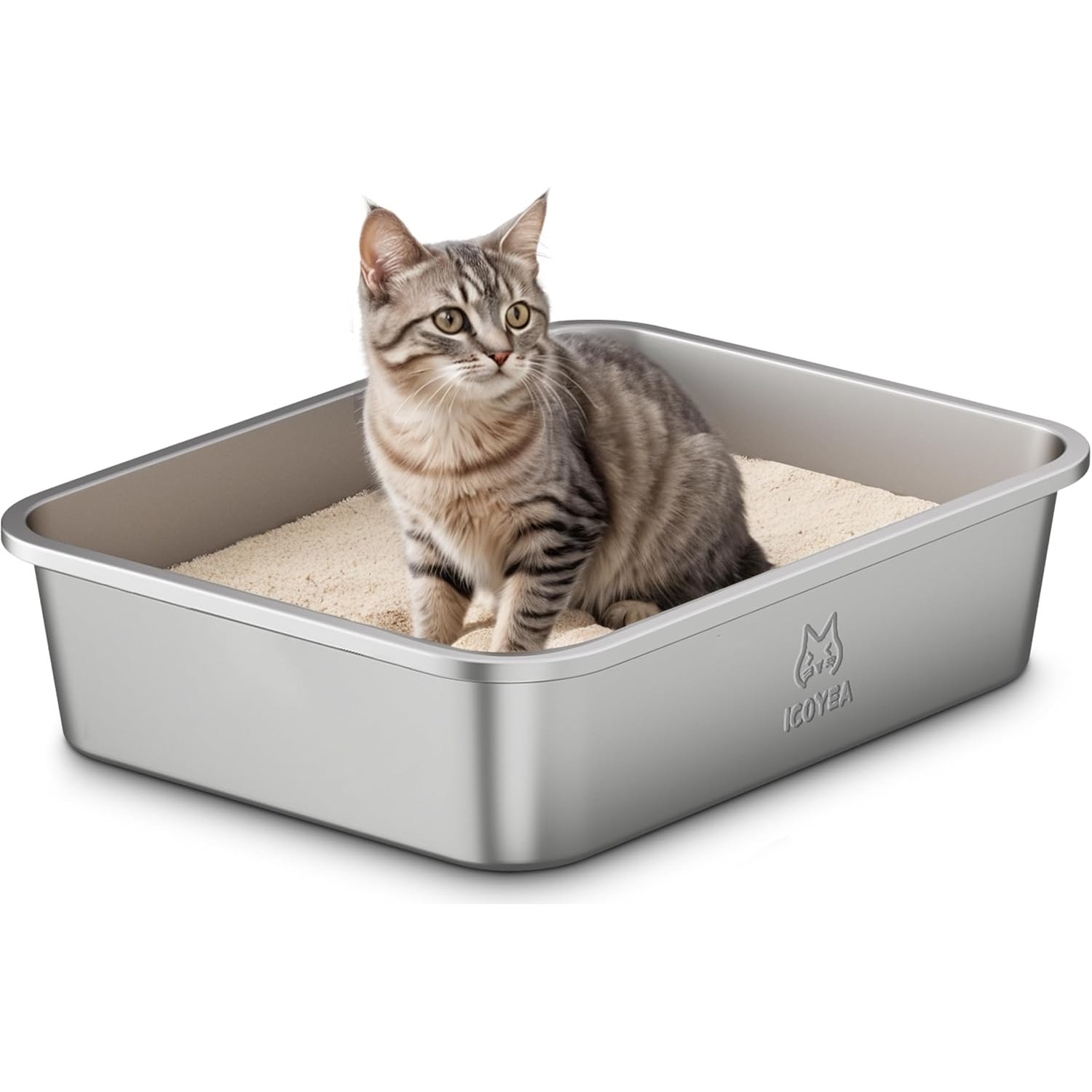
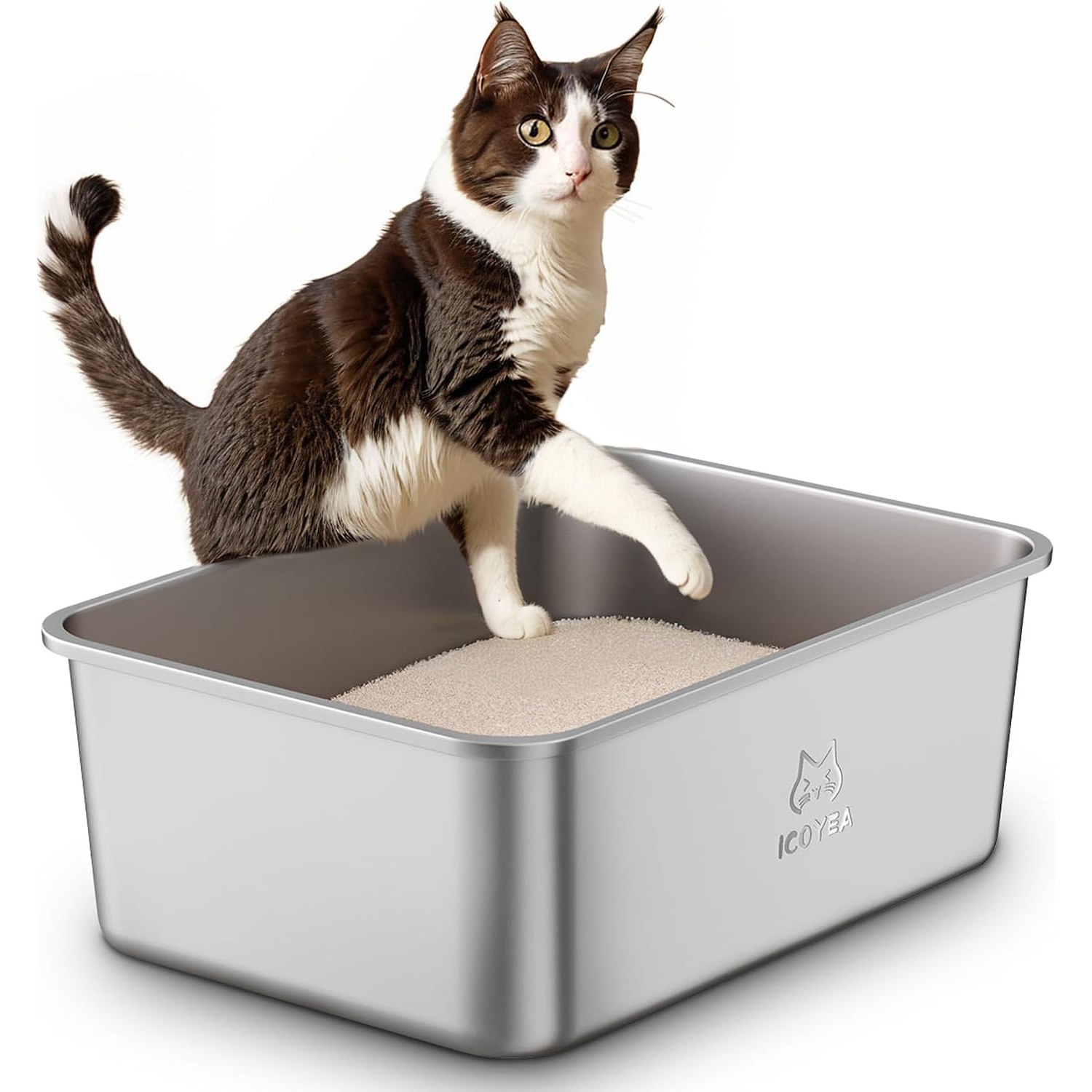
Stainless Steel Litter Box | Metal Cat Litter Tray | High Sided Litter Pan

Stainless Steel Litter Box

S$97.99 S$117.99 Save S$20
  • Stainless Steel Build
  • Wipes Clean Fast
  • Raised Sides
  • Four Silicone Pads

Option: 40 x 30 x 10 cm

Price: S$97.99 S$117.99

  • Delivery time: up to 7 working days by tracked courier, after dispatch within 2 working days
  • Free Singapore wide delivery on orders S$75+, otherwise a flat S$25
  • Pay by card or PayPal, handled by the payment provider
  • 15 day returns, conditions apply

Explore this range

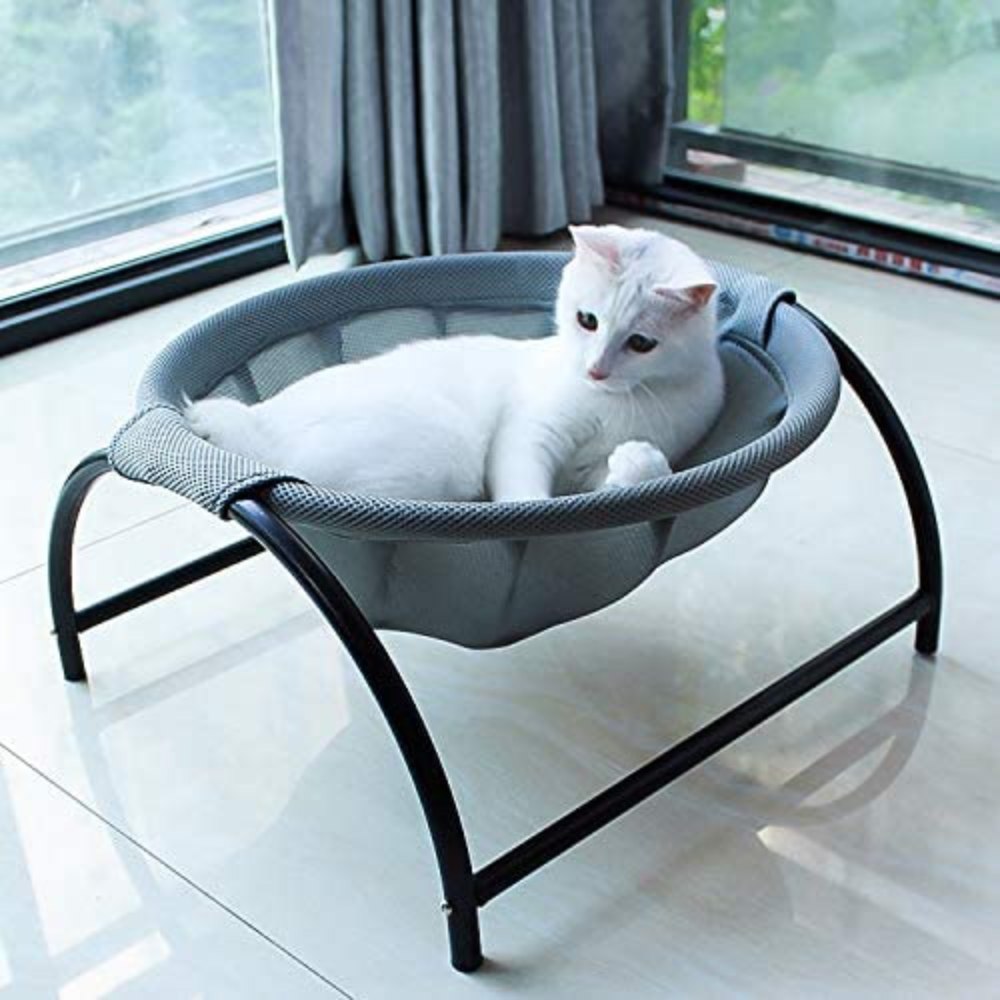
Cat Bed S$99
Product specifications
Product TypePan litter box, open top
MaterialStainless steel
Size40 x 30 x 10 cm
Dimensions40 cm L x 30 cm W x 10 cm H
Dimensions (imperial)15.6 x 11.6 x 3.9 in
Item Weight0.61 kg
Lid IncludedNo
BaseFour non-slip silicone pads (included)
Target SpeciesCat, also rabbits and other small pets
Pack Quantity1
Included Components1 x stainless steel litter tray, 4 x non-slip silicone pads, 1 x instruction sheet
Weight0.61 kg
Shipping & returns

Tracked delivery anywhere in Singapore. It is free on orders of S$75 or more, and a flat S$25 below that. Allow up to 7 working days in transit after dispatch within 2 working days.

Our policy allows returns within 15 days of purchase, in original packaging with proof of purchase. You pay return postage for a change-of-mind return.

Contact us promptly if your order arrives damaged, incorrect or incomplete. We cover return postage for damaged goods.

Shipping details · Refunds and returns

Looking after it

Scoop daily, wash weekly with warm water and mild dish soap, rinse and dry with a cloth. Skip steel wool and gritty scouring powders.

Stainless Steel BuildRust-resistant metal that shrugs off the scratches and stains plastic picks up.
Wipes Clean FastThe smooth surface releases clumps instead of trapping them in scratches.
Raised SidesWalls that catch most of the litter your cat kicks while digging.
Four Silicone PadsIncluded non-slip pads keep the tray steady and quiet on hard floors.

A stainless steel litter box that wipes clean in seconds and does not hang on to old smells.

Smooth rust-resistant metal, raised sides to catch kicked litter, and four silicone pads that stop the tray sliding on hard floors. Three sizes.

A stainless steel litter box in three sizes, 36 x 27 x 10 cm, 40 x 30 x 10 cm and 50 x 35 x 20 cm, for cats who prefer an open tray.

The polished metal surface does not hold scratches the way plastic does, so waste lifts out cleanly and old smells do not settle in.

Raised sides (10 cm, or 20 cm on the largest tray) help contain scattered litter from enthusiastic diggers without boxing your cat in.

Four silicone pads are included to stop the tray sliding across tiles or floorboards during use.

At 0.53 kg to 1.38 kg it is light enough to carry outside for emptying, yet solid enough to stay put when a cat jumps in.

Stainless Steel Litter Box, 40 x 30 x 10 cm

Plastic litter trays start out fine and get worse every month. Claws leave fine scratches, urine works into those grooves, and after a while no amount of scrubbing makes the tray smell clean again. Most people end up throwing the whole thing out and buying another one. A stainless steel litter box sidesteps that cycle because the surface stays smooth and non-porous, so there is nowhere for odour to hide.

It comes in three sizes. The 36 x 27 x 10 cm and 40 x 30 x 10 cm trays suit kittens, small cats and medium-sized adults, and slot into a bathroom corner or laundry nook without dominating the room. Their 10 cm sides are the useful part: tall enough to stop most of the litter a digging cat kicks backwards, but low enough that an older cat or a young kitten can step in without a struggle. The 50 x 35 x 20 cm tray is the one for a large or long-bodied cat, and its 20 cm sides keep even a keen digger's litter where it belongs.

Cleaning is where the difference shows most. Clumps release from the metal rather than sticking fast, so scooping takes less effort and the weekly full clean is a wash, rinse and dry rather than a scrub. There is no plastic to stain yellow and no soft surface for smells to settle into. If you prefer, the tray can go outside for a hose down and dry in minutes.

Four circular silicone pads come in the box. They press onto the underside corners and keep the tray from skating across tiles, vinyl or floorboards when your cat digs hard or launches out of it. They also soften the noise a metal tray can make on a hard surface, which matters if the litter box lives near a bedroom.

The tray is uncovered, which suits cats who dislike enclosed boxes and refuse hooded designs. The open shape also makes it easy to check at a glance, which is handy if you are monitoring a cat's toilet habits for health reasons. Even the largest size carries easily for emptying, and the same shallow metal pan works as a tray for rabbits, guinea pigs or ferrets if your household has more than cats in it.

Not sure yet? That is fine.

You can request a return within 15 days of purchase. Change-of-mind returns require original packaging and proof of purchase, and require you to pay return postage.

If your order is damaged, incorrect or missing, contact us promptly so we can help. We cover return postage for damaged goods. Nothing in our policy limits rights that cannot be excluded under applicable law. Read the full detail on our refunds and returns page, or ask us anything before you order.

Frequently Asked Questions

What exactly comes in the box?

You receive one stainless steel litter tray in the size you choose, four non-slip silicone pads and an instruction sheet. The pads attach to the underside corners of the tray. No litter, scoop or liner is included.

What sizes does it come in?

It comes in three sizes: 36 x 27 x 10 cm (0.53 kg) for kittens and small cats, 40 x 30 x 10 cm (0.61 kg) for small to medium cats, and 50 x 35 x 20 cm (1.38 kg) with 20 cm high sides for large cats and keen diggers. Pick the size above the price. Measure your intended spot before ordering if space is tight.

Does it come with a lid or hood?

No. This is an open pan-style tray with no lid, which is why many owners choose it. Cats who refuse covered boxes usually settle into an open tray much faster.

Why pick stainless steel over plastic?

Plastic develops fine claw scratches that trap urine and odour, and once that happens scrubbing rarely fixes it. Stainless steel stays smooth and non-porous, so waste lifts away and smells do not soak in. It is also far less likely to crack or go brittle with age.

Will the metal rust?

Stainless steel is rust-resistant by nature, which is the main reason it is used for this kind of tray. Drying the tray after washing rather than leaving it sitting in water is good practice regardless. Avoid harsh abrasive pads that could score the finish.

Are the sides high enough to stop litter scatter?

The 10 cm sides on the two smaller trays catch the bulk of what a cat kicks backwards while covering. Very enthusiastic diggers or high sprayers do better with the 50 x 35 x 20 cm tray, whose 20 cm sides keep far more in.

Is this suitable for a large cat?

The 50 x 35 x 20 cm size is the one for a large or long-bodied cat such as a Maine Coon, and its 20 cm sides also suit a keen digger. The two smaller trays suit kittens, small cats and medium adults up to about 5 kg.

Can kittens use it?

Yes, the 10 cm sides on the smaller trays are low enough for most kittens to climb over without help. The open design also makes it easy for them to see out, which helps nervous kittens feel safe. It works well as a first tray.

Does it suit senior cats or cats with stiff joints?

The low 10 cm entry on the smaller trays is friendlier than a deep high-walled box for cats with stiff joints. If your cat struggles with any step up, place a thin ramp or low mat at the entry side. Watch how they get in during the first few days.

Can I use it for rabbits or guinea pigs?

The shallow metal pan shape works well as a toilet tray for rabbits, guinea pigs and ferrets. Small animals cannot chew through metal the way they can through plastic. Supervise any new setup for the first few days.

What type of litter works in it?

Clumping clay, crystal, wood pellet, paper and tofu litters all work. Clumping litters tend to release cleanly from the metal surface. Choose by what your cat already prefers rather than switching to suit the tray.

How deep should I fill the litter?

About 4 to 5 cm of litter suits most cats and still leaves room inside the sides. Too shallow and cats cannot dig properly, too deep and more gets kicked out. Adjust based on how much your cat likes to bury.

Can I use a litter liner with it?

You can, though many owners skip liners with a metal tray because the surface already cleans easily. Claws can also tear liners and defeat the point. Try it without first.

How do I clean it?

Scoop daily, then empty the tray fully about once a week. Wash with warm water and mild dish soap, rinse thoroughly and dry with a cloth before refilling. Skip steel wool and gritty scouring powders so the polished surface stays smooth.

Is it dishwasher safe?

The maker does not state dishwasher suitability, so hand washing is the safe route. A quick wash with warm soapy water takes less than a minute anyway. Many owners simply hose it down outside.

Can I use bleach or strong disinfectant on it?

Mild dish soap and hot water handles routine cleaning well. If you want to disinfect, use a pet-safe product and rinse very thoroughly so no residue remains, as cats are sensitive to chemical smells. Harsh chlorine products are best avoided on metal.

Does the metal make noise when my cat digs?

A metal tray on a hard floor can be a little louder than plastic. The four included silicone pads lift the tray slightly and dampen that sound noticeably. Placing it on a mat quiets it further.

How do the silicone pads attach?

They fit onto the bottom corners of the tray as described in the included instruction manual. Once in place they grip tiles, vinyl and timber so the tray does not slide. They wipe clean with soapy water if dust builds up.

Will it scratch my floor?

With the silicone pads fitted, the tray sits on soft rubber rather than bare metal, which protects tiles and floorboards. Always fit the pads before first use if your floor is delicate. A mat underneath adds another layer of protection.

Does it have handles?

No. Every size is a plain tray without handles. Even the largest weighs 1.38 kg empty, so it is easy to lift with two hands for emptying.

How heavy is the tray itself?

The 36 x 27 x 10 cm tray 0.53 kg, the 40 x 30 x 10 cm tray 0.61 kg, the 50 x 35 x 20 cm tray 1.38 kg, all empty. That is light enough to carry outside for a rinse but substantial enough not to tip when a cat jumps in, especially once filled with litter.

Is it safe for my cat to touch?

The tray is designed with rounded edges and a polished finish rather than raw cut metal. Run your hand around the rim when it arrives as a basic check. Contact us if anything feels rough or sharp.

Can I use it as a wash basin or storage tray instead?

The roomy shallow shape works as a small wash basin for grooming or as a tidy storage tray for pet supplies. That flexibility is handy if you later upgrade to a larger litter pan. Clean it well before switching between uses.

How many trays do I need for multiple cats?

The usual guideline is one tray per cat plus one spare, placed in separate spots. That reduces territory disputes and the chance of a cat avoiding the box. Several of these trays side by side is not a substitute for separate locations.

Where should I put it?

Somewhere quiet with a clear exit, away from food bowls and busy walkways. Bathrooms, laundries and spare corners work well. Cats dislike feeling cornered, so avoid dead ends.

My cat refuses new litter boxes. Any advice?

Set the new tray up next to the old one with the same litter in it, and let your cat choose for a week or two. Once they are using the new tray regularly, remove the old one. Never force the change overnight.

How is delivery handled?

We dispatch within 2 working days and tracked delivery takes up to 7 working days after that. Delivery is free on orders of S$75 or more; below that it costs S$25. You get an email with the tracking link as soon as the parcel leaves.

Can I return it if it does not suit?

Yes. You have 15 days from purchase to return an item you have simply changed your mind about, unused and in its original packaging with proof of purchase. Contact our team first so we can send return instructions. Faulty, damaged or incorrect items are put right whatever the date.

Does it make a good gift for a new cat owner?

It is a practical gift for anyone setting up for a kitten or a rescue cat, since a durable tray is something people often skimp on. Pair it with a scoop and a bag of litter for a complete starter set. The plain modern look suits most homes.

What if the tray turns out to be the wrong size for my cat?

It happens, cats vary a lot in body length. Get in touch and we will walk you through return options or point you toward a larger pan. If the tray is unused and in its original condition, a return is straightforward.

How to Choose a Stainless Steel Litter Box That Actually Stays Clean

6 min read Pet Supply Company

The problem with the tray you already own

Most people replace their cat's litter tray far more often than they expected to. Not because it breaks, but because it starts to smell and never stops. You scrub it, you leave it in the sun, you try a different litter, and the smell is still there within a day.

The reason is simple. Plastic is soft. Every time your cat digs, claws leave microscopic scratches in the surface. Urine seeps into those scratches, bacteria settle in, and no detergent reaches that deep. After six months the tray itself is the odour source, not the litter in it.

A stainless steel litter box removes that problem at the root. The metal is hard enough that claws do not score it, and the surface is non-porous, so there is nothing for waste to soak into. Wash it, dry it, and it is genuinely clean rather than just freshly scrubbed.

How a metal tray behaves day to day

The first thing most people notice is scooping. On a scratched plastic tray, clumps weld themselves to the bottom and you end up chipping at them. On smooth steel, clumps tend to lift away in one piece. It sounds like a small thing. It is a small thing you do every single day, so it adds up.

The second thing is the weekly empty. With this tray you tip out the old litter, run warm water and a bit of dish soap over it, rinse, dry with a cloth and refill. Two minutes. There is no soaking, no scrubbing with a brush, no lingering smell under the lemon scent of the cleaner.

The third thing is longevity. Plastic goes brittle, cracks at stress points and stains permanently. Stainless steel does not. A good metal tray is the kind of thing you buy once and still have years later, which is part of why the best stainless steel litter box options cost more upfront and less over time.

Sizing it properly

This tray comes in three sizes: 36 x 27 x 10 cm, 40 x 30 x 10 cm and 50 x 35 x 20 cm. Each suits a specific range of cats.

The general rule is that a litter tray should be about one and a half times your cat's body length, measured nose to the base of the tail. For a kitten, a small adult or a typical medium cat around 3 to 4.5 kg, 36 or 40 cm of length gives enough room to turn around and dig comfortably. For a large breed, a long-bodied cat or anything much over 5 kg, pick the 50 x 35 cm tray.

Height matters too, in both directions. The 10 cm sides on the two smaller trays are tall enough to catch most of what a cat kicks backwards when covering, which is the main complaint with shallow trays. They are also low enough that a kitten can climb in and an older cat with stiff hips can step over without strain. The large tray's 20 cm sides are for the determined digger. If you have a senior cat, watch how they get in during the first week and add a low mat at the entry side if they hesitate.

Open versus covered

This tray is uncovered. For plenty of cats that is the deciding factor.

Cats are prey animals as well as predators, and many of them strongly dislike enclosed spaces where they cannot see what is coming. A hooded box can feel like a trap. It also concentrates odour inside, which is pleasant for you and unpleasant for the cat who has to stand in it. Cats who stop using their box sometimes start again the moment the lid comes off.

An open tray also makes it easy to glance at the contents. That sounds unglamorous, but a change in what you see there is often the first sign that a cat needs a vet. If you can see it without opening anything, you notice sooner.

The trade-off is visual. A covered box hides the litter. If the tray lives somewhere you entertain, put it in a corner, behind a door or inside a cabinet with the door removed. The plain modern finish of a metal tray is less obtrusive than most coloured plastic anyway.

Getting the setup right

Placement does more for litter box success than any product feature. Put the tray somewhere quiet with a clear line of sight and an obvious exit. Avoid dead-end corners, avoid spots next to a noisy washing machine, and keep it well away from food and water bowls. Cats will not toilet where they eat.

If you have more than one cat, the standard advice is one tray per cat plus one extra, spread across different rooms. Lining several trays up in a row does not count as separate locations to a cat who is being guarded by another cat in the household.

Fill depth is the other adjustable. Around 4 to 5 cm works for most cats. That leaves plenty of clearance inside the sides while still giving enough material to dig and bury. Cats who dig hard may do better with slightly more, cats who barely scratch can get by with less.

The four silicone pads included with this tray are worth fitting before first use. They stop the tray skating across tiles when a cat launches out of it, and they take the hard edge off the sound of metal on a hard floor. If the litter box sits near a bedroom, that second benefit matters more than you would think.

Keeping it clean without wrecking the finish

Scoop daily. That one habit does more for odour than any tray material.

For the weekly clean, warm water and mild dish soap is all you need. Rinse properly and dry the tray with a cloth rather than leaving it to air dry with water pooled in the base. If you want to disinfect occasionally, use a pet-safe product and rinse until no scent remains. Cats have far sharper noses than we do and a chemical-smelling tray is a tray they may avoid.

What to skip: steel wool, gritty scouring powder and anything described as a heavy-duty abrasive. The value of a metal tray is its smooth surface, and aggressive scrubbing is the one thing that can dull it. You do not need it anyway, because nothing is baked on.

The silicone pads wipe clean with soapy water. Pop them off every few weeks if litter dust gathers underneath.

Switching your cat over

Cats dislike sudden change, and the litter box is one of the places they are most particular. The reliable method is to set the new tray up beside the old one, fill it with exactly the same litter your cat already uses, and leave both available. Most cats investigate within a day or two.

Once your cat is using the new tray by preference for a week or so, remove the old one. Do not change the litter type at the same time as the tray. One variable at a time.

If your cat hesitates, check the basics before worrying. Is the location quiet? Is the litter depth similar to before? Is the tray clean? Nine times out of ten the answer is one of those three.

Beyond the litter box

The shallow metal pan shape is useful for more than cats. Rabbits, guinea pigs and ferrets all take to a corner toilet tray, and metal has a clear advantage with chewers since there is nothing to gnaw through. The same tray also works as a small wash basin for grooming or a tidy container for brushes, bags and spare litter.

That flexibility is worth noting if you are unsure about size. If your cat outgrows it, the tray still has a job.

The short version

If your plastic litter tray smells no matter what you do, the tray is the problem and a new plastic one will do the same thing in six months. Stainless steel does not absorb odour, resists scratches and cleans in a couple of minutes.

This tray comes in 36 x 27 x 10 cm, 40 x 30 x 10 cm and 50 x 35 x 20 cm, open topped, from 0.53 kg to 1.38 kg. The smaller sizes suit kittens, small cats and medium adults, plus rabbits and guinea pigs; the 50 x 35 x 20 cm tray is the one for a large breed cat.

Fit the silicone pads, give it a quiet corner, keep 4 to 5 cm of litter in it and scoop daily. Do that and you will spend less time cleaning and a lot less time apologising for the smell.

Browse the shop

Not sure it fits your space?

Every product page lists the measurement that decides it. Tell us the space you are working with and we will tell you straight whether this is the right thing for it. Free Singapore wide delivery on orders over S$75.

Ask us a question

Page summary

Stainless Steel Litter Box sold by Pet Supply Company at mypet.asia. An open stainless steel litter tray with raised sides and non-slip feet, in 3 sizes: 36 x 27 x 10 cm, 40 x 30 x 10 cm and 50 x 35 x 20 cm. Price SGD 71.99 to 102.99. Material: stainless steel. No lid. Category: Cat Supplies. Standard delivery is free on orders of SGD 75 or more and otherwise costs SGD 25; dispatch within 2 working days, delivery within 7 working days of dispatch. Returns within 15 days of purchase, in original packaging with proof of purchase.